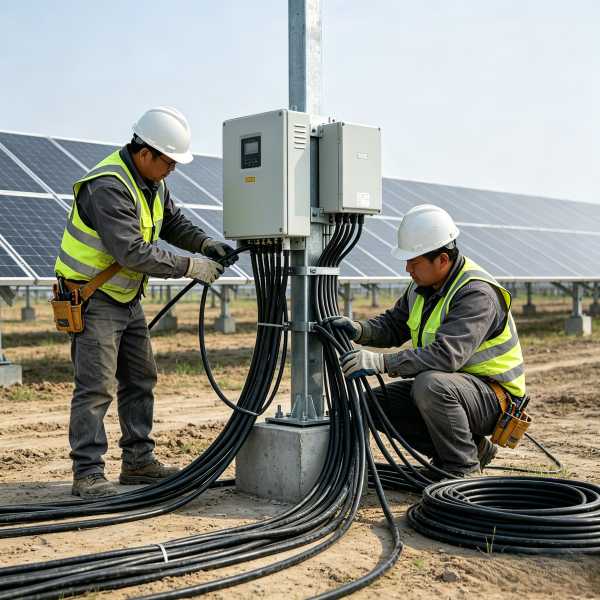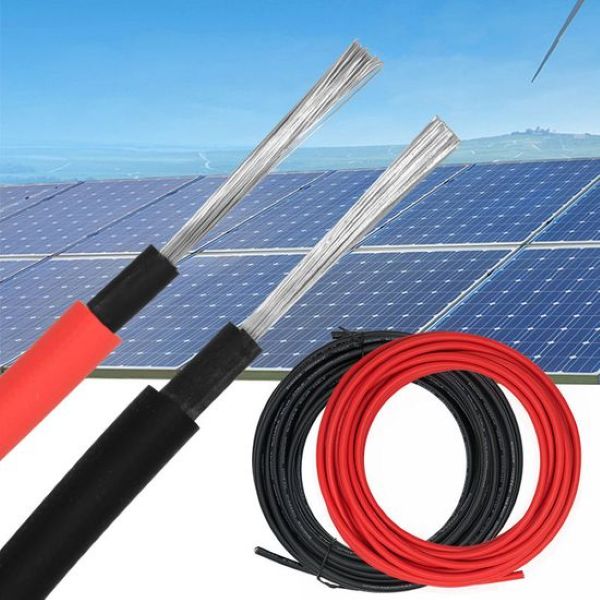
Selecting the wrong cable for your solar farm, factory, or offshore project can lead to voltage drops, unexpected downtime, fire hazards, and failed compliance audits. Conversely, the right cable ensures 25+ years of safe, efficient operation. This guide walks you through five critical decision points – from conductor material to hidden lifetime costs – so you can make a confident, code‑compliant choice.
1. Start with the Conductor: Bare Copper vs. Tinned Copper
The conductor is the heart of any cable. Many economy cables use bare copper, which oxidises over time – especially in humid or coastal environments. Oxidation increases resistance, generates heat, and accelerates insulation failure.
Premium cables use tinned copper (IEC 60228 Class 5/6 fine stranding). The tin coating protects against corrosion and maintains stable conductivity for decades.
✅ Selection tip: For outdoor, underground, or marine applications, always specify tinned copper.
2. Insulation & Jacket: PVC, XLPE, or LSZH?
Insulation determines thermal performance, fire safety, and service life.
| Material | Lifespan | Temperature Range | Fire Behaviour | Best For |
|---|---|---|---|---|
| PVC | 5–8 years | -15°C to +70°C | Dense smoke, halogen gases | Indoor, temporary, low cost |
| XLPE | 20–25 years | -40°C to +90°C | Better than PVC | General industrial, dry outdoor |
| LSZH XLPE | 25+ years | -40°C to +120°C | Low smoke, zero halogens (IEC 60754) | Solar farms, tunnels, ships, public buildings |
Why LSZH XLPE matters: In a fire, PVC releases toxic hydrogen chloride gas. LSZH (Low Smoke Zero Halogen) minimises smoke and noxious fumes – critical for human safety and equipment protection.
3. Verify Certifications – Don’t Accept “Self‑Declared CE”
Certifications are not stickers. They prove that an independent lab has tested the cable under real failure conditions.
| Standard | What It Tests | Who Needs It |
|---|---|---|
| TÜV 2PfG 1169 / IEC 62930 | UV resistance, damp heat, cold bending, 25‑year life for solar cables | Solar EPCs, rooftop installers |
| UL 4703 (PV wire) | Wet/dry rating, flame test, 90°C/150°C wet rating | North American projects |
| BS EN 50618 | European harmonised standard for DC solar cables | EU projects, tenders |
| IEC 60332‑1 | Flame retardancy (single vertical cable) | All industrial sites |
Red flag: A supplier who cannot produce third‑party test reports with a traceable batch number. Always request the report that matches your batch.
4. Match the Voltage & Environment to the Right Construction
Two common mismatches:
- 600V cable on a 1500V solar string – leads to insulation breakdown. For modern utility‑scale solar, use 1500V DC cable (e.g., IEC 62930 1500V).
- Indoor cable outdoors – UV stabilisers are missing. Outdoor cable must contain 3–5% carbon black or UV inhibitors. Check the jacket: matte finish usually indicates UV protection; glossy, shiny jackets often degrade in sunlight within 2 years.
Quick environment checklist:
| Environment | Required Features |
|---|---|
| Direct sunlight | UV stabilised (carbon black), black jacket |
| Underground (direct burial) | Moisture barrier, steel wire armoured (SWA) or double sheath |
| Offshore / chemical plant | Tinned copper, LSZH, salt water resistance |
| High vibration (tracking systems) | Class 5/6 fine stranding, flexible insulation |
5. The Hidden Cost Analysis: Why “Cheap” Cables Cost More
A low upfront price often hides high replacement labour, downtime losses, and warranty claims.
Example: 100 kW solar installation, 20‑year operation
| Cost Factor | Economy Cable (PVC, bare copper) | Premium LSZH XLPE Cable |
|---|---|---|
| Initial material cost | $0.40/m | $0.85/m |
| Replacement after 8 years | $0.40/m + labour ($2,000) | $0 |
| Downtime losses (2 days) | $1,500 | $0 |
| Fire safety risk | High (halogen gas) | Low (LSZH) |
| 20‑year total per metre | ~$1.10 | $0.85 |
Total Cost of Ownership (TCO) saving: Premium cables save approximately $0.12 per watt over 20 years by avoiding replacement labour and operational interruptions.
6. Quick Field Checks – How to Spot Substandard Cables
Before you buy or install, perform these three simple checks:
- Feel the jacket – Cheap PVC feels slippery or greasy. Quality LSZH has a dry, slightly rubbery grip.
- Rub the print – Low‑grade ink wipes off with alcohol. Good cables use laser or high‑durability ink that stays legible.
- Look for metre marking – Premium cables print the meter count and batch code every metre. That batch code must match the test report.
Verification tip: Always request third‑party test reports with your batch number. [Contact us to view our latest TÜV/IEC/UL files.]
Conclusion: Make the Right Call From Day One
Choosing the right cable is not about finding the cheapest metre price – it’s about minimising risk over 25 years. Stick to tinned copper, LSZH XLPE insulation, third‑party certifications (TÜV, UL, IEC), and environment‑specific construction. Use the comparison table below as your quick reference.
| Feature | Economy / Market Grade | Premium Grade (Our Standard) |
|---|---|---|
| Conductor | Bare copper (oxidises) | Tinned copper (IEC 60228 Class 5/6) |
| Insulation | PVC (5–8 years) | LSZH XLPE (25+ years, -40°C to +120°C) |
| UV resistance | Minimal stabilisers | 3–5% carbon black / UV stabilisers |
| Certification | Self‑declared CE | TÜV / UL / BS – third‑party verified |
| Traceability | None | Metre marking with batch code |
| Warranty | 1–5 years | 25 years |
Need Certified Cables for Your Project?
We provide full test reports (TÜV, IEC 62930, BS EN 50618, UL 4703) with batch traceability. Our technical team offers free sizing support for solar, industrial, and infrastructure projects.
📄 Request test reports or Get a project quote – contact us today.