Not All Solar Cables Are Created Equal: Key Differences You Need to Know
Solar cable quality has a direct impact on your photovoltaic system’s safety, efficiency, and service life—yet not all products on the market meet the rigorous demands of solar applications. While they may look similar on the surface, critical differences in conductor materials, insulation compounds, and certification standards determine whether a cable delivers 25+ years of reliable performance or becomes a costly liability.
This guide examines how solar cables differ and which specifications truly matter for your PV installation.
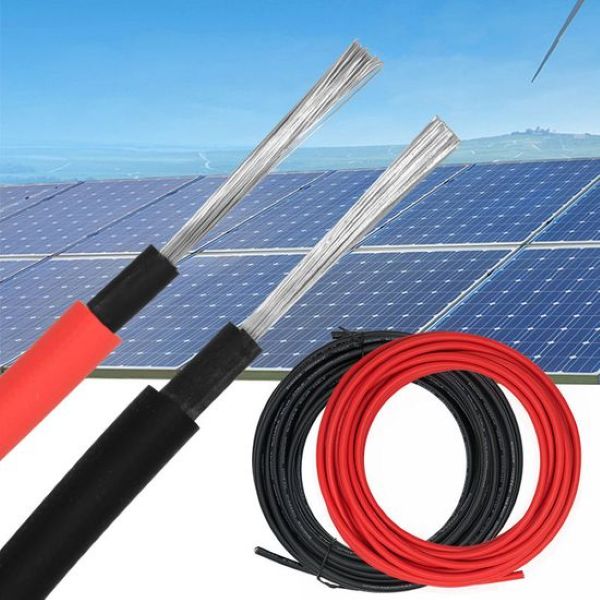
1. Conductor Material: Bare Copper vs. Tinned Copper
| Type | Material | Characteristic |
|---|---|---|
| Budget Option | Bare Copper | Prone to oxidation in humid environments; resistance increases over time. |
| Premium Option | Tinned Copper | Tin coating prevents corrosion and maintains stable conductivity. |
Note: Oxidation can reduce bare copper conductivity by up to 25% within 5 years in coastal or high-humidity areas.
2. Insulation: The Deciding Factor for Service Life
| Grade | Material | Expected Lifespan | Temperature Range |
|---|---|---|---|
| Entry-Level | PVC | 5 – 8 years | -20°C to 70°C |
| Standard | XLPE | 12 – 15 years | -40°C to 90°C |
| Premium | LSZH XLPE | 25+ years | -40°C to 120°C |
Key Insight: LSZH (Low-Smoke Zero-Halogen) insulation emits minimal toxic fumes and no corrosive gases in the event of a fire—a critical safety consideration for rooftop and building-integrated installations.
3. Certification Tiers: Understanding What Labels Actually Mean
| Tier | Certification | Scope |
|---|---|---|
| Minimum Compliance | CE / RoHS | Basic safety and environmental requirements. |
| Industry Standard | TÜV (IEC 62930) | Verified UV resistance, weathering, flame retardance, and flexibility. |
| Premium Validation | UL 4703 | North American fire safety compliance. |
| DNV GL | Marine and offshore floating solar certification. |
Warning: According to industry testing, a significant percentage of generic “solar cables” sold online fail to meet TÜV performance requirements.
4. Voltage Class: 600V vs. 1500V Systems
| Specification | 600V Cable | 1500V Cable |
|---|---|---|
| Application | Residential and small commercial | Utility-scale solar farms |
| System Voltage | ≤ 600V DC | Up to 1500V DC |
| Insulation Thickness | ~1.5mm | ~3.0mm |
| System Benefit | Standard installation | Reduced BOS costs (fewer combiner boxes, less trenching) |
Industry Trend: The majority of new utility-scale projects now specify 1500V DC architecture for improved cost efficiency.
5. Hidden Cost Drivers: What You’re Actually Paying For
| Feature | Economy Cable | Quality Cable |
|---|---|---|
| UV Stabilizer Content | ~0.5% load | 3 – 5% load |
| Jacket Thickness | ~0.8mm | 1.5mm+ |
| Testing Protocol | Self-certified | Third-party laboratory verified |
| Typical Warranty | 5 years | 25 years |
Total Cost Perspective: Investing in quality cables can reduce long-term operational expenses by avoiding premature replacement and downtime.
6. How to Identify Substandard Cables
- ❌ Faded or easily rubbed-off printing — indicates insufficient UV stabilizers.
- ❌ Stiff or brittle feel — suggests low-grade polymer compounds.
- ❌ Missing batch codes — no traceability for quality control.
- ❌ “CE” mark without a notified body number — may indicate self-declaration only.
Verification Tip: Always request third-party test reports traceable to your specific cable batch number.
7. The Three Tiers Defined
| Tier | Typical Specs | Recommendation |
|---|---|---|
| Budget | PVC insulation, bare copper | Not recommended for permanent outdoor exposure. |
| Standard | XLPE insulation, tinned copper, TÜV certified | Suitable for residential and small commercial rooftops. |
| Premium | LSZH XLPE insulation, 1500V rating, UL listed | Recommended for commercial and utility-scale projects requiring maximum ROI. |
Conclusion: Choose Based on Application Requirements
While all solar cables perform the same basic function, their long-term performance varies significantly. Match your selection to your specific project needs:
- ✅ Installation Environment (Coastal, desert, or high-humidity?)
- ✅ System Voltage (600V or 1500V DC?)
- ✅ Certification Requirements (TÜV mandatory in EU, UL for North America)
Need Certified Solar Cables? Contact us to request TÜV, UL, or IEC test reports for our product range.